
Cart 0

Mastering Workplace Training: Online Courses, Onsite Learning & Food Safety Tools

In today’s fast-paced industries, ensuring your workforce is well-trained isn’t just a luxury—it’s essential. Your team needs practical skills, safety awareness, and real-world readiness. That’s where professional training steps in, combining online convenience with the impact of onsite learning and reinforced through practical food safety tools.
Let’s dive deep into how online courses, onsite training, and industry-specific tools can shape a stronger, safer, and smarter workforce.
The Evolution of Workplace Training
Online Training Courses: The Flexible Future
Why Online Training Matters
Online training is perfect for companies juggling tight schedules and rotating shifts. No more worrying about syncing everyone’s calendar. Online courses allow your staff to learn at their own pace, when it suits them best.
Topics Covered in Online Training
Food Safety
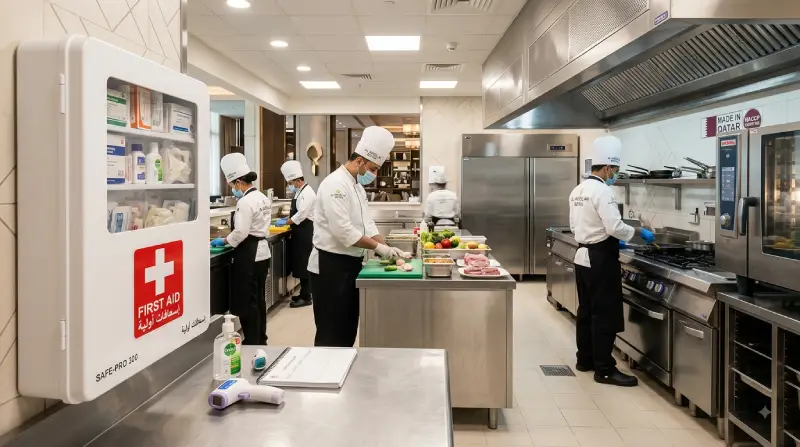
Foodborne illnesses don’t wait. A well-trained kitchen crew knows how to prevent contamination, store ingredients properly, and maintain hygiene standards 24/7.
Occupational Health & Safety
Every workplace has risks. With the right training, your team can identify hazards before they become incidents, keeping everyone safer.
Onsite Training: Personalized Learning at Your Doorstep
The Power of Face-to-Face Interaction
Nothing beats hands-on experience. Onsite training puts your team in real scenarios, fostering collaboration, engagement, and better retention of information.
Tailored to Your Work Environment
Unlike generic courses, onsite sessions adapt to your actual setting. This allows trainers to highlight location-specific safety concerns and adjust practices accordingly.
Encouraging Active Discussions
Onsite training encourages open dialogue about day-to-day challenges. Whether it’s a recurring hygiene issue or specific operational hiccups, your team learns how to fix it, together.
Food Safety Tools: Enhancing Practical Knowledge
Essential Equipment for Daily Use
Digital Thermometers
Keeping hot food hot and cold food cold is the golden rule. Digital thermometers ensure your staff gets precise temperature readings every time.
Data Loggers
These little devices are your best friends when it comes to tracking temperature over time—perfect for freezers, coolers, and transport units.
Oil Testers
Not all oil is created equal. Frequent testing helps maintain food quality and avoid customer complaints (or worse, fines!).
Visual Learning Aids
Colour-Coded Cutting Boards & Knives
Think of them as the traffic lights of the kitchen. Red for raw meat, green for veggies. It keeps things organized and drastically reduces cross-contamination.
Awareness Posters & Visual Guides
Place them where your team can see them—above sinks, near prep areas. Visual reminders make safe habits stick.
Additional Educational Resources
From easy-to-follow manuals to detailed safety books, a library of materials boosts long-term learning. Don’t underestimate the value of a good reference guide.
Benefits of Comprehensive Training Solutions
Increased Staff Competence
Training boosts employee confidence and performance. When your team knows what they’re doing, everything runs smoother.
Better Compliance & Reduced Risk
Trained staff are less likely to break rules or make risky mistakes, protecting your business from fines and reputational damage.
Improved Customer Confidence
Customers can tell when a business takes hygiene and safety seriously. And that trust? It’s worth its weight in gold.
Conclusion
Investing in training isn’t just ticking a box—it’s creating a safer, more efficient, and more professional work environment. With the right blend of online courses, onsite sessions, and reliable food safety tools, your business can achieve lasting success. With decades of experience, Boecker® is a trusted partner for food safety training across Qatar.