
Cart 0
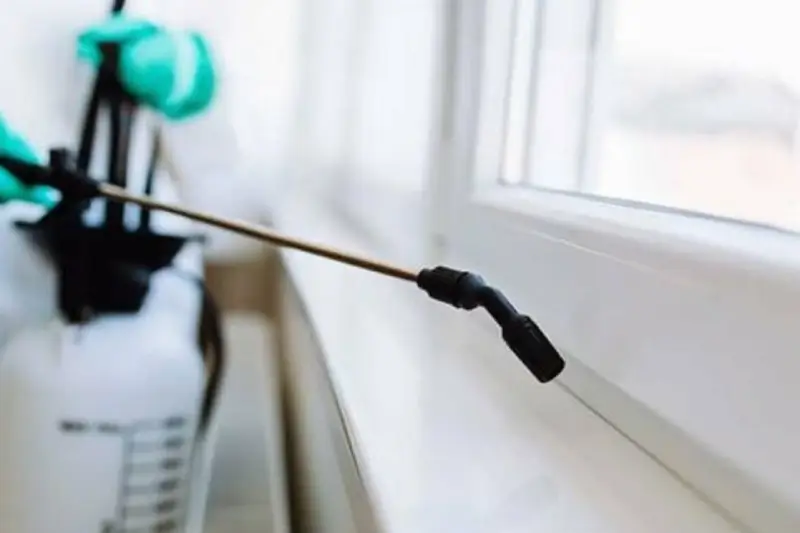

Pest control isn’t just about spraying chemicals and hoping the problem goes away. In a hot and humid place like Qatar, pests like termites, cockroaches, rodents, and ants thrive in both residential and commercial settings. This is where Integrated Pest Management (IPM) steps in — a smarter, safer, and more effective way to deal with these unwanted invaders.
What is Integrated Pest Management (IPM)?
IPM is a proactive and environmentally-friendly strategy that combines multiple techniques to manage pests effectively. Instead of relying solely on pesticides, IPM involves understanding pest life cycles, using preventive measures, and only applying chemicals when absolutely necessary.
Why IPM Matters in Qatar’s Climate
With extreme summer temperatures and a growing urban environment, Qatar creates a perfect storm for pest infestations. Buildings with cracks, poor drainage, or organic waste attract pests fast. IPM not only tackles the root of the problem but also prevents it from recurring.
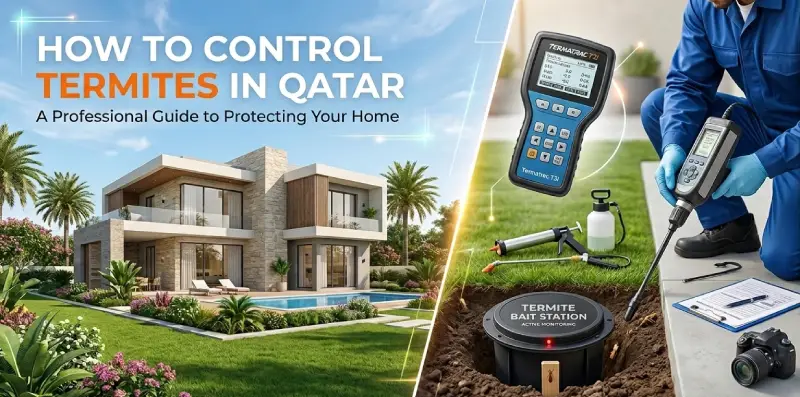
Signs of Termite Infestation
- Hollow-sounding wood
- Mud tunnels on walls
- Discarded wings near windows
- Peeling paint that looks like water damage
Economic and Structural Damages Caused by Termites
Termites can silently chew through wooden beams, furniture, and even books, causing thousands of riyals in damage before you’re even aware they’re there.
The Core Principles of IPM
Prevention
The first line of defense. Sealing cracks, fixing leaks, and maintaining cleanliness can prevent infestations before they begin.
Monitoring and Identification
Traps and surveillance help identify the type and extent of pest problems, so control methods can be accurately targeted.
Control Methods
Control may involve:
- Biological controls (like using predatory insects)
- Mechanical controls (like traps and barriers)
- Chemical controls (as a last resort)
Evaluation and Documentation
Regular reviews ensure the methods are working, and documentation keeps the strategy consistent and trackable.
Step-by-Step IPM Process for Businesses
Inspection and Risk Assessment
Start with a thorough walk-through to look for entry points, nesting sites, and food/water sources.
Setting Action Thresholds
This means deciding how many pests can be tolerated before action is needed — zero tolerance for termites, maybe a few ants in a garden.
-Choosing Control Methods
Use a mix of physical, biological, and chemical methods tailored to the infestation.
-Implementation and Follow-Up
After action is taken, regular monitoring and maintenance ensure the pests don’t come back.
Technologies and Innovations in IPM
-Smart Pest Monitoring Devices
Sensors and smart traps send alerts when pest activity is detected — offering 24/7 vigilance.
-Use of AI and Data Analytics in IPM
Modern IPM systems use data to predict pest outbreaks and customize control strategies.
Challenges of IPM in Qatar
Harsh Climate Conditions
Intense heat limits outdoor biological control options, requiring careful planning.
Urban Expansion and Pest Habitats
As cities grow, pests find new hiding places, making control more complex and widespread.
Government Regulations and IPM Compliance
Ministry Guidelines for Pest Control Companies
Only certified professionals are allowed to offer pest control services in Qatar, ensuring public safety and consistency.
Certifications and Licenses Required
Firms must be licensed by the Ministry of Public Health and follow strict chemical usage guidelines.
Services Offered by IPM Professionals
- Termite barrier treatments
- Regular inspections
- Rodent baiting programs
- Fumigation (when needed)
- Eco-friendly pest repellents
Cost Factors for IPM Services in Qatar
The price depends on:
- Size of the property
- Type and severity of infestation
- Frequency of service
- Techniques used (green solutions may cost more upfront but save in the long run)
IPM in Commercial and Industrial Settings
IPM for Hospitality Industry
Hotels face high risks for bedbugs and cockroaches. Regular inspections and quick treatment protocols are key.
IPM for Warehouses and Food Storage
Stored goods attract rodents and insects. IPM here includes bait stations, air curtains, and constant surveillance.
IPM in Educational and Healthcare Facilities
Zero tolerance environments where hygiene is critical. IPM ensures safety without toxic exposure.
Future of Pest Management in Qatar
Trends to Watch
- Growth in eco-certified pest control products
- AI-driven pest prediction
- Integration with smart home/building systems
Conclusion
Integrated Pest Management is more than a service — it’s a mindset. By combining smart strategies, technology, and awareness, IPM tackles pests at their root while protecting the environment and public health. In a rapidly developing country like Qatar, adopting IPM is not just wise, it’s necessary.
For top-tier IPM services in Qatar, Boecker Qatar offers comprehensive, certified pest control solutions that prioritize safety and effectiveness.
FAQs
1. Is Integrated Pest Management safe for children and pets? Yes, IPM focuses on minimizing chemical use, making it safer for families and pets.
2. How often should I have my home inspected for pests in Qatar? At least twice a year, or more frequently in high-risk areas or older homes.
3. Can I implement IPM myself? You can take preventive steps, but for serious infestations, a licensed professional is recommended.
4. Are IPM services expensive? While initial costs may be higher than traditional methods, the long-term savings and effectiveness make it a smart investment.
5. Does IPM work for mosquitoes too? Absolutely. IPM includes eliminating breeding grounds and using eco-friendly repellents to control mosquito populations.
6.Why Hire an Expert? They bring the knowledge, tools, and experience to execute an effective and legal IPM program.