
Cart 0

Maintaining High Sanitation Standards: Why Regular Pest Control Is Essential
Maintaining high sanitation standards is not just a regulatory requirement—it’s essential for protecting health, preserving property, and ensuring the long-term success of businesses and households alike. One of the most overlooked yet critical components of sanitation is regular pest control. In this post, we’ll explore why consistent pest management is vital and how it directly impacts cleanliness, safety, and compliance.
Why Pest Control and Sanitation Go Hand-in-Hand
Pests such as rodents, cockroaches, flies, and ants are notorious for carrying disease-causing pathogens. Their presence in any environment—be it a restaurant, warehouse, school, or home—poses serious hygiene risks. Without proper pest control, pests can:
- Contaminate food surfaces and storage areas
- Spread bacteria like Salmonella, E. coli, and Listeria
- Trigger asthma and allergies, especially from cockroach droppings
- Damage insulation, wiring, and structures
By maintaining a regular pest control schedule, you proactively prevent these hazards and support a clean, healthy environment.
Benefits of Regular Pest Control for Sanitation
1. Prevents Infestation Before It Starts
Regular pest control is a preventive measure. Spotting a few insects or droppings might seem minor, but pests reproduce quickly—a small issue today can become a full-blown infestation tomorrow. Routine inspections and treatments help detect early signs of pest activity, address hidden breeding grounds, and implement tailored solutions based on seasonal threats.
2. Improves Compliance with Health and Safety Regulations
Industries like food, healthcare, and hospitality must meet strict sanitation standards. Regular pest control ensures compliance with local health codes, helps avoid fines or shutdowns, and builds trust with health inspectors and customers.
3. Reduces the Risk of Food Contamination
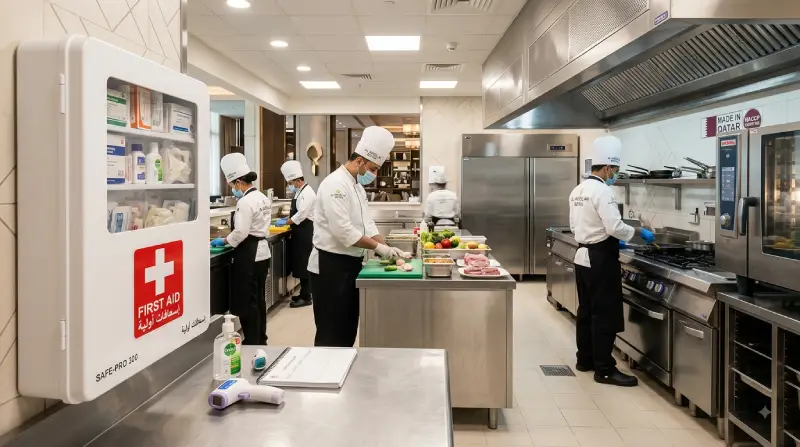
In homes, restaurants, and food processing facilities, pests pose a severe risk to food safety. They often leave droppings, urine, and saliva in food storage areas, leading to spoilage, cross-contamination, and foodborne illnesses. Routine pest management ensures food handling areas remain safe and uncontaminated.
Common Pests That Threaten Sanitation Standards
Understanding which pests pose the biggest threat helps tailor your pest control plan. The most sanitation-compromising pests include:
- Rodents: Spread over 35 diseases through droppings and urine.
- Cockroaches: Carry bacteria and allergens; thrive in warm, moist environments.
- Flies: Transfer pathogens from garbage to food surfaces in seconds.
- Ants: Infiltrate kitchens and contaminate stored food items.
How Often Should Pest Control Be Done?
For most homes and businesses, quarterly pest control is recommended. Facilities handling food or waste may require monthly or bi-weekly treatments to maintain high sanitation standards. Working with a licensed pest control provider ensures a customized plan based on your facility’s needs and local pest trends.
Tips to Enhance Sanitation Alongside Pest Control
While pest control is critical, it should be part of a broader sanitation strategy. Combine it with:
- Regular deep cleaning of floors, drains, and trash areas
- Proper food storage in sealed containers
- Routine inspection of cracks, entry points, and leaks
- Employee training on cleanliness protocols
Regular pest control, combined with strong sanitation practices, is essential for maintaining a safe, healthy, and compliant environment. Proactive management not only protects health and property but also supports the long-term success of any business or household.
Boecker Qatar offers science-based, government-licensed pest control services tailored to your industry’s needs. Trust our experts to keep your environment pest-free and sanitation-compliant year-round.