

Cart 0
Insect Killer Machines in Qatar: How Businesses Can Improve Insect Control and Hygiene

Flying insects can become a recurring problem for businesses in Qatar, particularly in restaurants, hotels, commercial kitchens, supermarkets, warehouses, and other high-traffic environments.
While cleaning and sanitation remain essential, insect killer machines provide an additional way to control flying insects in specific areas of a property. When selected and positioned correctly, they can help reduce insect activity and support overall hygiene standards.
How Insect Killer Machines Help Businesses
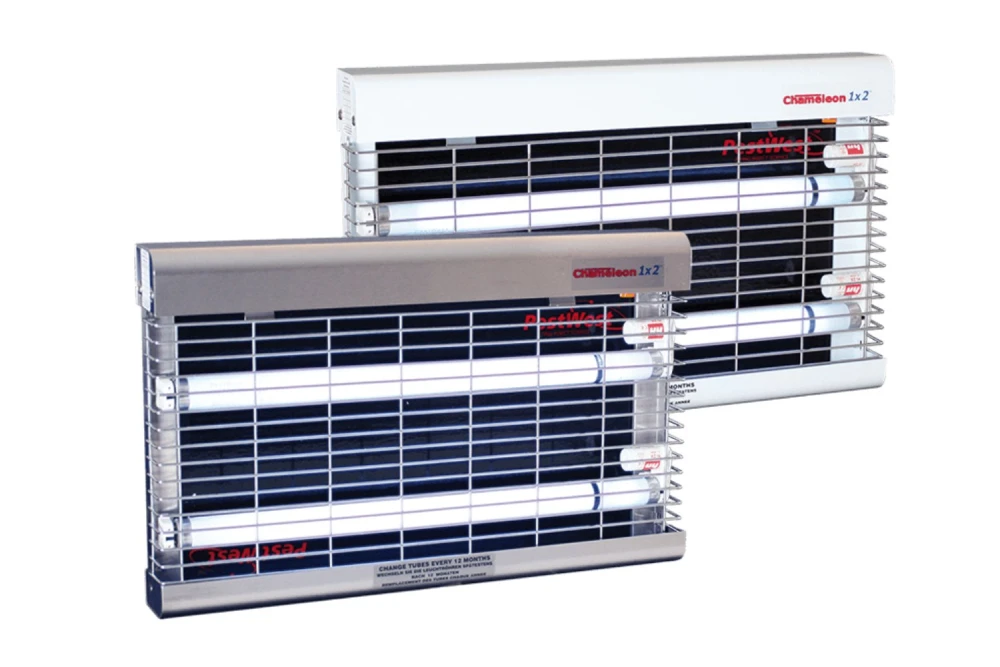
Insect killer machines are designed to attract and control flying insects, helping businesses manage insect activity without relying only on routine chemical treatments.
They can help:
- Reduce visible flying insects in customer-facing areas
- Control insect activity around food and service areas
- Support hygiene standards
- Minimise customer complaints related to insects
- Provide continuous insect control in targeted areas
- Complement an existing pest management programme
For businesses dealing with recurring fly or flying insect activity, the right machine can provide an additional layer of protection.
Where Insect Killer Machines Can Be Used
The right placement depends on the premises, insect activity, and operational requirements.
Common applications include:
Restaurants and Cafés
Food, waste, and frequent door movement can attract flying insects. Insect killer machines can help control insect activity in suitable areas around dining and service environments.
Commercial Kitchens
Kitchens require strict hygiene controls. Insect killer machines can complement existing sanitation and pest control measures when installed appropriately.
Hotels
Hotels may use insect control equipment in restaurants, kitchens, service areas, entrances, and other locations where flying insects are a concern.
Supermarkets and Food Retail
Areas around food displays, waste collection points, loading areas, and service zones may require additional flying insect control.
Warehouses and Commercial Facilities
Insects can enter through loading bays, doors, windows, and other access points. Properly positioned machines can help manage flying insect activity within suitable areas.
Choosing the Right Insect Killer Machine
The most suitable machine depends on the business environment and the type of insect problem.
Key factors include:
| Factor | Why It Matters |
| Area size | Determines the required coverage |
| Type of insect | Different insects may respond differently to control methods |
| Location | Placement affects effectiveness |
| Business type | Food and hygiene-sensitive areas have additional requirements |
| Machine design | Different models use different capture or killing methods |
| Maintenance | Regular servicing keeps the equipment effective |
Simply choosing the largest or most powerful machine is not necessarily the best solution. The equipment should match the actual requirements of the premises.
Correct Placement Makes a Difference
Installation location can significantly affect how well an insect killer machine performs.
Machines should be positioned based on factors such as:
- Common insect entry points
- Areas with higher insect activity
- Doors and windows
- Kitchen and food-service layouts
- Waste areas
- Customer movement
- Existing lighting
- Air movement
Poor placement can reduce the machine’s effectiveness, even when the equipment itself is suitable.
For commercial premises, a professional assessment can help determine the most appropriate locations.
Insect Killer Machines and Food Hygiene
For restaurants, hotels, supermarkets, and other food-related businesses, flying insect control is particularly important.
Insect activity around food preparation, storage, or customer areas can create hygiene concerns and negatively affect how customers perceive the business.
Insect killer machines can support existing hygiene measures by helping control flying insects in appropriate locations.
However, they should complement—not replace—proper cleaning, food storage, waste management, and pest prevention procedures.
Why Regular Maintenance Is Important
An insect killer machine needs regular maintenance to continue working effectively.
Depending on the equipment, maintenance may include:
- Cleaning the machine
- Removing captured insects
- Replacing glue boards or other consumables
- Checking the light source
- Inspecting electrical components
- Checking overall equipment condition
A poorly maintained machine may not provide the expected level of insect control.
Insect Killer Machines vs. the Source of the Problem
An insect killer machine can control flying insects that enter or move around a premises, but it may not eliminate the source of the problem.
Recurring insect activity can sometimes be linked to:
- Food waste
- Open doors or windows
- Drainage issues
- Moisture
- Poor waste management
- Structural gaps
- Nearby breeding areas
If insect activity continues despite using control equipment, the premises should be assessed to identify and address the underlying cause.
Use Insect Killer Machines as Part of a Wider Pest Control Strategy
For businesses in Qatar, the most effective approach is usually a combination of preventive and active pest control measures.
This may include:
Insect killer machines + sanitation + waste management + entry-point control + regular inspections + professional pest management
This approach helps businesses address both the visible insect problem and the conditions that may be attracting insects in the first place.
When Should Businesses Consider Insect Killer Machines?
They can be particularly useful when a business:
- Regularly experiences flying insect activity
- Operates a restaurant or commercial kitchen
- Handles or stores food
- Has frequent customer traffic
- Experiences insects entering through doors or loading areas
- Wants additional protection between professional pest control visits
- Needs to maintain consistent hygiene standards across multiple locations
The right solution will depend on the premises and the level of insect activity.
Get the Right Insect Control Solution for Your Business
Choosing an insect killer machine is not only about purchasing equipment. The machine needs to be suitable for the environment, correctly positioned, and properly maintained.
For businesses dealing with recurring flying insect problems, professional pest control specialists can assess the premises and recommend a suitable combination of insect control and preventive measures.
Businesses in Qatar looking for professional pest management and insect control solutions can explore the services available through Boecker Qatar.
Frequently Asked Questions
What are insect killer machines used for?
Insect killer machines are used to attract and control flying insects such as flies and other flying pests in commercial and residential environments.
Are insect killer machines suitable for restaurants?
Yes. They can be safely used in restaurants and commercial kitchens as part of a comprehensive pest management and hygiene programme, provided that the appropriate type is selected and the units are correctly positioned and installed in accordance with food-safety requirements.
Where should an insect killer machine be installed?
They should be installed in areas where flying insects are most likely to enter or gather, such as near doors, windows, and service entrances, but not directly facing outside openings or positioned above food preparation areas, exposed food, utensils, or food-contact surfaces. The unit should be placed away from competing light sources and in an accessible location for regular inspection, cleaning, and maintenance. In food-handling areas, glue-board units are generally preferred, and installation should follow the manufacturer’s recommendations and be based on a site-specific pest risk assessment.
Do insect killer machines eliminate insects completely?
They can help reduce flying insect activity, but they do not necessarily address the source of an infestation. Sanitation, exclusion, monitoring, and professional pest control may also be required.
How often should insect killer machines be maintained?
Maintenance requirements depend on the machine and level of use. Regular cleaning, inspection, and replacement of consumable components help maintain performance.
Can insect killer machines be used in food businesses?
Yes. Glue-board-based insect light traps can effectively support pest control in food-related businesses when the equipment is suitable for the environment and is correctly positioned, installed, monitored, and maintained as part of an integrated pest management program.
Are insect killer machines enough for pest control?
No. Insect killer machines are an important component of an effective pest management program, particularly for monitoring and controlling flying insects, but they should not be used as a stand-alone solution. Effective pest control requires an integrated approach that includes good hygiene and sanitation, exclusion and proofing, elimination of breeding and harborage areas, regular monitoring, appropriate treatments, and the correct installation and maintenance of glue-board insect light traps.
Why choose professional insect control services in Qatar?
A professional assessment can help identify the cause of insect activity, determine suitable equipment and placement, and combine insect control machines with other measures needed to manage the problem effectively.

