
Cart 0

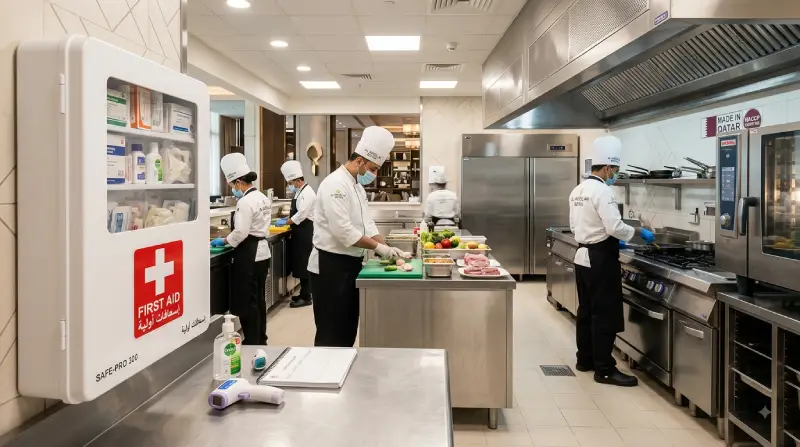
Food safety is a top priority for hotels and restaurants in Qatar. With strict health regulations and high customer expectations, maintaining proper hygiene standards is not just a legal requirement—it is essential for protecting public health and safeguarding business reputation. From food storage to staff hygiene, every step in the food handling process plays a critical role in ensuring safe dining experiences.
1. Proper Food Storage and Temperature Control
Maintaining the correct temperature for food storage is one of the most important food safety rules. Perishable items must be stored at regulated temperatures to prevent bacterial growth. Refrigerators and freezers should be monitored regularly, and temperature logs should be maintained as part of compliance procedures. Dry storage areas must be clean, ventilated, and free from pests.
2. Personal Hygiene and Staff Training
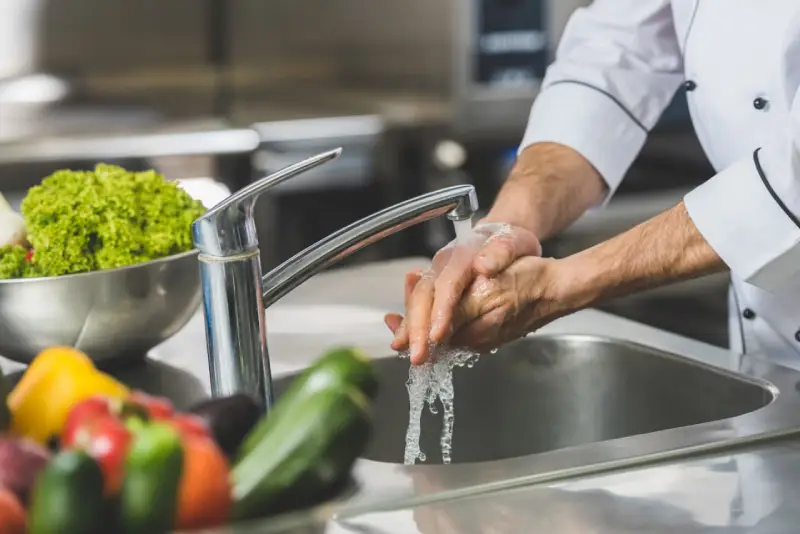
Food handlers must follow strict hygiene practices, including regular handwashing, wearing gloves when required, and maintaining clean uniforms. Staff training is essential to ensure all employees understand food safety protocols, cross-contamination risks, and safe food preparation techniques. Continuous training reduces human error and strengthens compliance.
3. Prevention of Cross-Contamination
Separating raw and cooked foods is crucial. Using color-coded chopping boards, knives, and preparation areas helps prevent bacteria from spreading. Cleaning and sanitizing surfaces between tasks further reduces contamination risks. Hotels and restaurants must implement systematic procedures to avoid cross-contact at every stage.
4. Regular Cleaning and Sanitization
A strict cleaning schedule should cover kitchens, storage areas, dining spaces, and waste disposal zones. Sanitizing food preparation surfaces, equipment, and utensils after each use prevents bacterial buildup. Deep cleaning routines must also be conducted regularly to ensure long-term hygiene.
5. Pest Control Management
Pests pose a serious threat to food safety and business reputation. Restaurants and hotels must implement preventive pest management programs to avoid contamination and health violations. Routine inspections, proper waste management, and professional pest control services are key components of food safety compliance.
6. Compliance with Local Regulations
Qatar’s health authorities enforce strict food safety standards. Businesses must maintain proper documentation, inspection readiness, and compliance with hygiene regulations. Failing inspections can lead to fines, temporary closures, and reputational damage.
7. Waste Management and Disposal
Improper waste handling attracts pests and increases contamination risks. Waste should be sealed, removed frequently, and stored in designated areas away from food preparation zones. Proper waste management is a fundamental part of maintaining hygiene standards.
Conclusion
Food safety in Qatar’s hotels and restaurants is not optional—it is essential for protecting customers, maintaining compliance, and preserving brand trust. A proactive approach that includes staff training, hygiene monitoring, pest prevention, and regulatory compliance ensures long-term success in the competitive hospitality industry.
For professional food safety solutions and compliance support in Qatar, Boecker Qatar provides specialized programs designed for hotels and restaurants.