
Cart 0
Best Cockroach Control Methods for Restaurants and Commercial Kitchens in Qatar

Cockroaches are one of the most serious pest concerns for restaurants, cafeterias, hotels, catering companies, and commercial kitchens. In a food business, even a small cockroach issue can affect hygiene, food safety, inspections, customer trust, and brand reputation. This is why cockroach control for restaurants in Qatar must be handled professionally, regularly, and with a food safety-focused approach.
Qatar’s hot climate, busy food preparation areas, moisture zones, storage rooms, and frequent deliveries can create ideal conditions for cockroaches to enter and multiply. For restaurants and commercial kitchens, prevention and early control are always better than reacting after an infestation becomes visible.
Why Cockroach Control Is Critical for Restaurants in Qatar
Cockroaches are strongly associated with unhygienic conditions, and their presence in a restaurant can quickly damage customer confidence. They can move through drains, garbage areas, storage zones, and food preparation spaces, making them a major concern for food safety.
For restaurants in Qatar, cockroach control is not only about removing pests. It is also about maintaining hygiene standards, protecting food handling areas, preparing for inspections, and avoiding operational risks. A restaurant that fails to manage pests properly may face customer complaints, negative reviews, failed audits, or even business disruption.
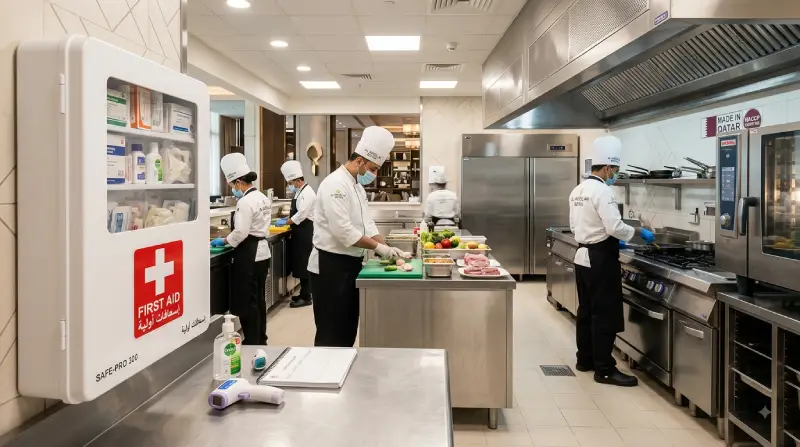
Commercial kitchens are especially vulnerable because they contain food waste, moisture, warmth, grease, and hidden spaces behind equipment. These conditions allow cockroaches to hide, feed, and reproduce if proper control measures are not in place.
Best Cockroach Control Methods for Restaurants and Commercial Kitchens
Effective commercial kitchen pest control in Qatar requires more than a one-time treatment. The best approach combines inspection, targeted treatment, sanitation, exclusion, and regular monitoring.
1. Professional Pest Inspection
A professional pest inspection is the first and most important step. It helps identify where cockroaches are coming from, where they are hiding, and what conditions are supporting the infestation.
During inspection, pest control specialists check entry points, nesting areas, moisture zones, cracks, drains, food storage areas, waste disposal zones, and equipment surroundings. This allows the restaurant to receive a treatment plan based on the actual problem instead of using a general spray-only approach.
For food businesses, inspection-based pest control is especially important because treatment must be safe, targeted, and suitable for sensitive kitchen environments.
2. Gel Baiting Treatment
Gel baiting is one of the most commonly used methods for cockroach pest control in Qatar, especially in restaurants and commercial kitchens. It is effective because it targets cockroaches in the areas where they hide and move.
Unlike heavy spraying, gel baiting can be applied in specific cracks, corners, hinges, equipment edges, and hidden zones. This makes it suitable for sensitive areas where food preparation and food handling take place.
Gel baiting should always be applied by trained professionals who understand where cockroaches travel and how to place the bait safely without affecting kitchen operations.
3. Crack and Crevice Treatment
Cockroaches often hide in very small spaces, including cracks in walls, gaps around tiles, joints behind equipment, and spaces near pipes. These areas are not always reached by basic cleaning or general surface treatment.
Crack and crevice treatment focuses on these hidden spaces. It helps control cockroach activity at the source by treating areas where they live, breed, and move. This method is especially useful in commercial kitchens where cockroaches can remain hidden behind heavy equipment.
For restaurants, this targeted approach helps reduce visible activity and supports long-term control.
4. Drain and Moisture Control
Drains and moisture zones are major cockroach hotspots in commercial kitchens. Floor drains, sink areas, dishwashing sections, and leaking pipes can attract cockroaches because they provide water and shelter.
Professional cockroach control should include inspection and treatment of drain areas where needed. Restaurants should also repair leaks, dry wet areas, clean floor drains regularly, and avoid water accumulation overnight.
Moisture control is one of the most important prevention steps because cockroaches are more likely to return when water sources remain available.
5. Sanitation and Waste Management
Good sanitation is essential for restaurant pest control in Qatar. Even the best pest control treatment may not work properly if food waste, grease, and garbage are not managed well.
Restaurants should clean under equipment, remove grease buildup, seal food containers, empty bins regularly, and avoid leaving food waste overnight. Garbage bins should have tight-fitting lids and should be cleaned frequently.
Storage areas should also be organized so that pest activity can be detected early. Cartons, boxes, and unused materials should not be left piled up for long periods because they can create hiding places for cockroaches.
6. Sealing Entry Points
Cockroaches can enter restaurants through very small openings. Gaps around doors, windows, pipes, drainage lines, wall cracks, and delivery access points should be sealed properly.
Door sweeps, mesh covers, pipe sealing, and regular maintenance can reduce pest entry. This is especially important for restaurants located in busy commercial areas, shared buildings, malls, food courts, and high-traffic zones.
Sealing entry points is a key part of long-term kitchen pest control services in Qatar because it reduces the chance of reinfestation after treatment.
7. Regular Monitoring and Follow-Up
Restaurants should not depend on one-time cockroach treatment. Commercial kitchens are high-risk environments, so regular monitoring is necessary to detect early signs of pest activity.
Monitoring may include routine inspections, bait station checks, pest activity reports, sanitation recommendations, and follow-up treatments when needed. This helps restaurants stay prepared for hygiene audits, food safety inspections, and daily operational standards.
Regular follow-up also allows pest control professionals to identify changes in risk areas, such as new equipment, new storage arrangements, or changes in waste disposal practices.
Why DIY Cockroach Control Is Risky for Restaurants
DIY cockroach sprays may kill visible cockroaches, but they usually do not solve the root problem. Cockroaches hide in cracks, drains, equipment gaps, and storage areas, so the infestation can continue even after spraying.
In restaurants and commercial kitchens, DIY chemical use can also be risky. Incorrect application around food preparation areas may affect safety and compliance. It can also push cockroaches deeper into hidden spaces, making the infestation harder to control.
Food businesses should always choose professional food safety pest control in Qatar to ensure treatment is done safely, correctly, and according to the needs of commercial kitchen environments.
Cockroach Control and Food Safety Compliance
Cockroach control is directly connected to food safety compliance. Restaurants, hotels, cafeterias, and catering facilities must maintain clean and pest-free environments to protect customers and meet inspection requirements.
A strong pest control program supports hygiene audits, food safety standards, internal quality checks, and customer confidence. It also helps management document pest control activities, monitor risk areas, and take corrective action when needed.
For food businesses in Qatar, pest control should be part of the overall food safety system, not just a reaction when pests appear.
Why Choose Boecker for Restaurant Cockroach Control in Qatar
Boecker Qatar provides professional pest management and food safety solutions for restaurants, hotels, cafeterias, catering companies, and commercial kitchens. For food businesses, cockroach control must be handled with care, because the treatment should protect hygiene standards without disrupting kitchen safety.
Boecker’s approach focuses on inspection-based treatment planning, safe methods suitable for food business environments, regular monitoring, and clear reporting. This helps restaurants manage pest risks while supporting hygiene, compliance, and customer confidence.
Boecker Qatar supports food businesses with:
- Commercial pest management experience
- Food safety-focused pest control approach
- Inspection-based treatment plans
- Safe treatment methods for restaurants and kitchens
- Regular monitoring and reporting
- Support for restaurants, hotels, cafeterias, and catering facilities
Conclusion
Cockroach control is essential for every restaurant and commercial kitchen in Qatar. A clean, pest-free kitchen protects food safety, customer trust, inspection readiness, and the overall reputation of the business. The most effective approach includes professional inspection, targeted treatment, sanitation improvement, entry point sealing, and regular monitoring.
Need professional cockroach control for your restaurant or commercial kitchen in Qatar? Contact Boecker Qatar for inspection-based pest management solutions designed for food businesses.
FAQ
What is the best cockroach control method for restaurants in Qatar?
The best method is a professional pest management plan that includes inspection, gel baiting, crack and crevice treatment, drain control, sanitation improvement, entry point sealing, and regular monitoring. Restaurants should avoid relying only on DIY sprays because they may not control the hidden infestation.
Are cockroach treatments safe for commercial kitchens?
Yes, when carried out by trained pest control professionals using suitable methods for food business environments. Professional treatments are applied in targeted areas while considering food preparation zones, hygiene standards, and kitchen operations.
How often should restaurants do pest control?
Restaurants and commercial kitchens should follow a regular pest control schedule based on risk level, kitchen size, food handling volume, and inspection requirements. High-risk food businesses usually need routine monitoring and scheduled service.
Why do cockroaches keep coming back in kitchens?
Cockroaches may return because of food waste, moisture, grease buildup, open drains, wall cracks, poor storage practices, or unsealed entry points. Without sanitation, exclusion, and regular monitoring, infestations can repeat.
Can cockroaches affect food safety inspections?
Yes. Cockroach activity can negatively affect food safety inspections because it indicates hygiene and pest management risks. A regular pest control program helps restaurants stay prepared for audits and inspections.
Do restaurants need regular pest monitoring?
Yes. Regular pest monitoring helps identify early signs of cockroach activity before the issue becomes serious. It also supports food safety compliance, documentation, and long-term prevention.